
A Smarter Approach to Managing Risk and Maximising Crop Performance
When it comes to maize production, planting population is often viewed as a numbers game; the more plants per hectare, the greater the yield potential. However, population is much more than a yield target. It is a resource allocation tool that directly influences plant health, crop resilience, and seasonal risk.
At Corson Maize, our research has shown that carefully managed lower plant populations can deliver significant agronomic benefits while helping growers build greater resilience into their farming systems.

El Niño is likely this season
If the season brings drier or more variable conditions, crop competition can become a major pressure point. In seasons where water availability may become limiting, reducing plant competition can help preserve available moisture for crop development.
Lower populations may help growers:
- Reduce moisture demand across the crop
- Lower exposure to seasonal stress
- Improve crop stability under challenging conditions
- Build more resilience into the production system

Why consider a maize hybrid with a lower recommended population?
Corson Maize hybrids typically have a lower recommended population than much of the New Zealand maize market. This lower population can support plant health, standability, resilience and seasonal risk management.

Improved Plant Health
Reducing population pressure gives each plant better access to water, nutrients, sunlight and soil moisture.
- Stronger, healthier plants
- Improved nutrient utilisation
- Reduced stress in challenging conditions
- Better overall crop performance

Better
Standability
Healthier plants often develop stronger roots and thicker stalks.
- Improve root development
- Increase stalk strength
- Reduce lodging risk
- Better handle wind and adverse weather

Greater Crop Resilience
Lower populations can help create a more stable crop through variable seasons.
- Reduce competition during stress
- Support a more predictable maturity curve
- Provide greater harvest flexibility
- Support performance in variable weather

Built-In Risk Mitigation
Plant population should be viewed as a practical risk-management tool, especially when moisture may become limiting.
- Lower exposure to seasonal stress
- Reduce moisture demand across the crop
- Improve crop stability under pressure
- Build resilience into the system
Does a larger population guarantee a better return?
No!
Our modern maize genetics have changed the way many hybrids respond to population. Certain hybrids possess what we call flex - the ability to adapt and compensate when planted at lower populations. Our flex hybrids can respond by making better use of available resources and maintaining strong productivity even when plant numbers are reduced.
Plan for the Worst
Planting at a lower population can help reduce risk if the season becomes difficult and resources become limited.
Hope for the Best
If growing conditions turn out to be more favourable than expected, flexible hybrids can often capture additional yield potential by compensating for the lower plant population.
Lower populations can provide:
Improved
plant health
Better
standability
Greater
resilience
Enhanced risk
management
More consistent outcomes
across varying seasonal
conditions
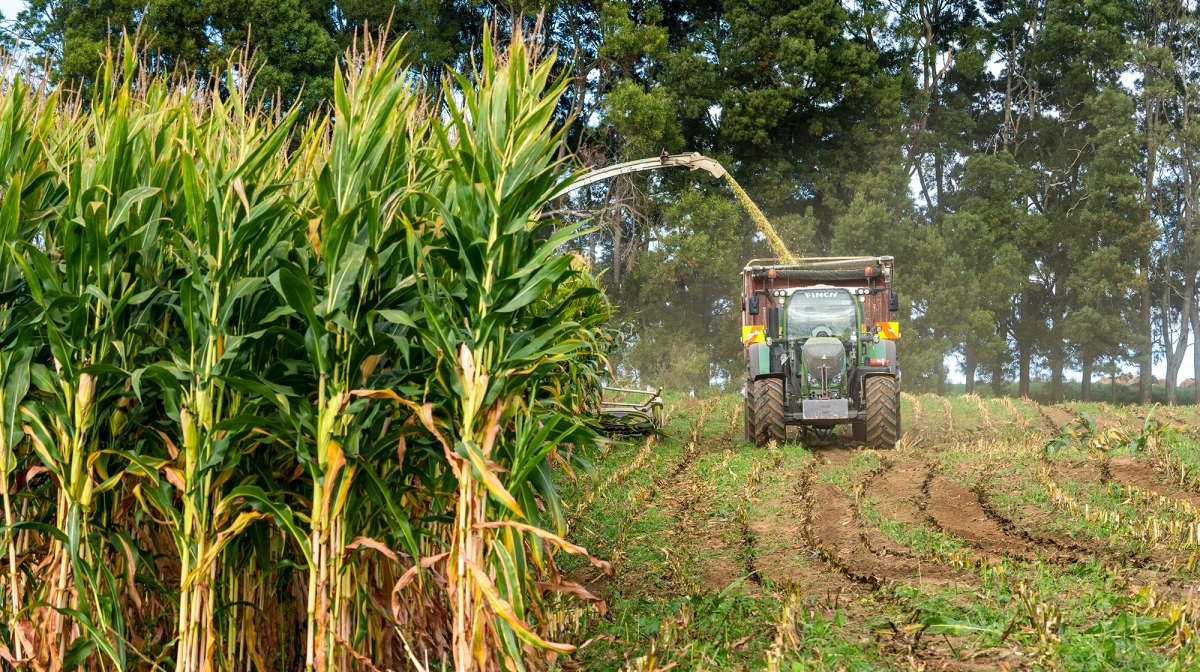
The Flex Factor
How Flexible Hybrids Help Make This Strategy Work
Hybrid flex is the ability of a maize hybrid to adapt when planted at lower populations. Instead of relying only on more plants per hectare, flexible hybrids can make better use of available resources per plant.
This may support:
- Larger or better-filled ears
- Stronger individual plant performance
- Improved resource use
- More stable outcomes under variable conditions
When was the last
time a seed company
told you to buy less seed?
We're focused on what really matters, more resilient crops that hold their yield potential even in tough seasons.
The Research Behind the Approach
Corson Maize has invested significant effort into understanding how maize hybrids respond to population changes.
Replicated Population Trials
Multi-year replicated research has helped demonstrate how different hybrids respond under a range of seasonal conditions and stress environments.
Individual Hybrid Case Studies
Detailed studies have examined the physical response of plants to varying populations, helping identify hybrids that are particularly well suited to lower-population environments.
Flex Research
Our flex studies aim to quantify a hybrid's ability to compensate at reduced plant populations. While this work continues to evolve, it has already provided valuable insights into hybrid behaviour and management options.
Physical Demonstrations
Field demonstrations continue to be one of the most powerful ways to showcase the effects of population which allow growers to visually see how maize plants respond across population extremes.
Tables showing research on low populations from Corson Maize
- Planting populations for optimal green leaf.
- Ideal planting populations for optimal yield in normal and dry years.


Higher planting populations?
Yeah, NAH!