
Built for Long-Season Performance.
Maize production in Gisborne and Hawke’s Bay is supported by high sunshine hours, warm summer conditions and long growing seasons, making these regions some of New Zealand’s strongest environments for both silage and grain. These conditions allow growers to utilise longer maturity hybrids and consistently target higher yield potential.
Maize is grown for both high-quality silage and grain production, supporting dairy, livestock and arable systems. In addition to providing a consistent, energy-dense feed source, maize plays an important role in crop rotations, where hybrid maturity must align with planting and harvest timing.
However, these regions also present specific challenges, including periods of dry conditions, exposure to strong winds and ongoing disease pressure. As a result, hybrid selection needs to balance yield potential with resilience and consistency under variable conditions.
In This Region, Hybrid Selection Is Typically Driven By:
- Maximising yield potential from longer maturity hybrids
- Matching maturity (CRM) to rotation and harvest timing requirements
- Selecting climate-resilient hybrids suited to dry conditions and wind exposure
- Managing disease pressure through strong agronomic traits
- Aligning hybrid choice to silage or grain end use
Regional Hybrid Choices
PAC 314
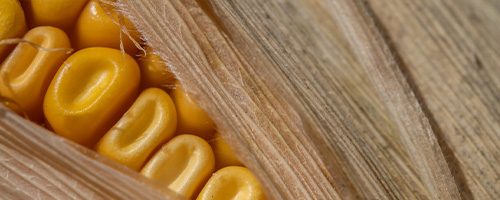
PAC 314 is a versatile mid-season hybrid suited to Gisborne and Hawke’s Bay systems where growers are balancing silage and grain production. It offers reliable performance across a range of conditions, making it a strong option where consistency and adaptability are required.
- Mid-season dual-purpose hybrid suited to North Island environments
- Medium-tall, well-structured plant with strong visual appeal
- AriDapt® drought-ready technology supporting performance under dry conditions
- Reliable option across variable environments and seasons
PAC 430
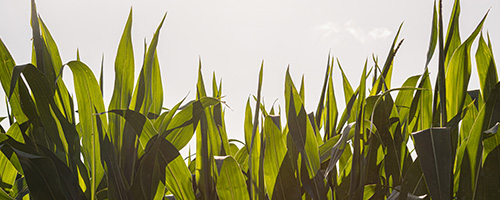
PAC 430 is a later maturity hybrid designed to maximise yield potential in long-season environments. It is well suited to growers targeting high silage bulk or grain production, particularly where strong late-season performance and drought resilience are important.
- Later maturity hybrid suited to high heat and long growing seasons
- AriDapt® drought-ready technology supporting resilience under dry conditions
- Well balanced canopy provides good bulk, with long girthy ears, typically 18 kernels around
- Excellent grain quality, very good staygreen and standability
- Finishes strongly with very good late season plant health
PAC 492
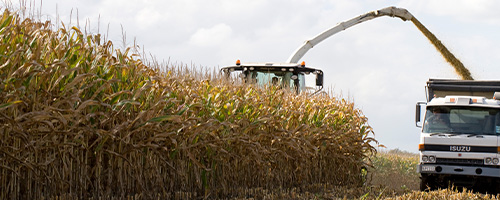
PAC 492 is a robust, later maturity hybrid suited to growers targeting high yield and grain performance in Gisborne and Hawke’s Bay. It is particularly well suited to long-season environments where grain quality, yield potential and crop reliability are key priorities
- Full season dual-purpose hybrid suited to long-season environments
- Strong grain performer with flinty, food-grade grain
- Strong agronomic package delivering reliable performance
- Suited to both silage and grain systems where maturity can be fully utilised

To learn more about our full range of maize hybrid options use our seed selector tool
Regional Considerations

Gisborne
Gisborne (Tairāwhiti) offers some of the highest maize yield potential in New Zealand, supported by fertile alluvial soils and warm, reliable growing conditions. Strong early growth and long growing seasons allow crops to perform consistently when matched to the environment.
Hybrid selection should focus on maximising yield potential while ensuring maturity aligns with planting and harvest timing, particularly within rotation systems.

Hawke's Bay
Maize production in Hawke’s Bay performs strongly on fertile, well-drained soils, particularly where irrigation supports growth through frequent summer dry periods. While the region offers high yield potential, seasonal moisture stress can impact crop performance if not managed.
Hybrid selection should focus on balancing yield potential with drought resilience, alongside selecting appropriate maturity (CRM) and maintaining strong agronomic performance through to harvest.
Matching CRM and hybrid characteristics to your local climate and end use ensures consistent performance.
Regional Faqs
Contact Us
For advice on silage maize systems in Gisborne and Hawke’s Bay, or to discuss maize for grain options, contact your local Corson Maize Sales Agronomist to match the right hybrid to your farm system and production goals.
Find Your Local Rep