
High Performance Regions.
Proven Performance.
Maize is a core part of farming systems across Northland, Waikato and the Bay of Plenty, where warm temperatures and long growing seasons support high dry matter production. Waikato is the largest maize-producing region in New Zealand, with maize widely used to support higher stocking rates and intensive dairy systems.
For most growers, maize is grown as a high-energy, locally produced silage feed, helping to extend lactation, bridge seasonal feed gaps and maintain animal performance when pasture growth is limited. It also plays an important role in managing pasture pressure and improving overall feed consistency.
In This Region, Hybrid Selection Is Typically Driven By:
- Maximising dry matter yield in high-production systems
- Achieving strong starch content for feed quality
- Maintaining consistent harvest maturity across large areas
- Ensuring standability through to harvest
- Managing disease pressure in warm, humid conditions
Regional Hybrid Choices
PAC 344
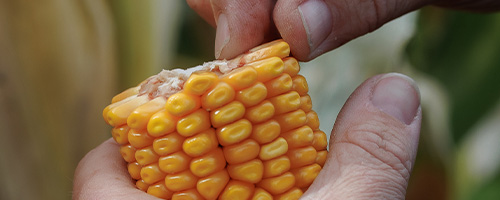
PAC 344 is a reliable mid to full season option for upper North Island systems, well suited to high-production dairy environments where consistency and plant health are critical. Its compact structure and strong disease package make it a dependable choice under humid conditions.
- Mid to full season dual-purpose hybrid suited to Northland, Waikato and Bay of Plenty
- Unique medium height, compact plant with thick stalks for strong standability
- Broad leaf structure supporting dry matter production
- Excellent tolerance to Northern Leaf Blight and ear-rot pressure
PAC 432
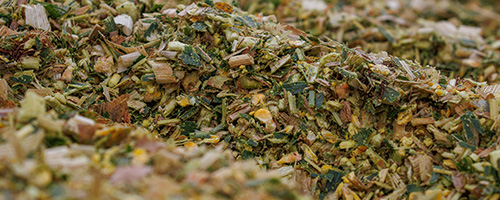
PAC 432 is a strong all-round performer in warmer regions, offering resilience under stress while maintaining yield and plant health through to harvest. It is well suited to environments where late-season performance and disease management are key.
- Very good drought and stress tolerance for variable summer conditions
- Excellent stalk strength supporting standability through to harvest
- Strong Northern Leaf Blight resistance for humid environments
- Excellent staygreen and late-season plant health
PAC 492
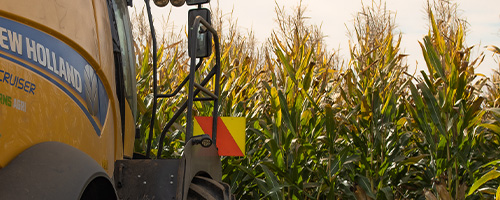
PAC 492 is a robust, later maturity hybrid suited to growers targeting high yield and grain performance in long-season environments. It is particularly well suited to systems where grain quality and overall crop reliability are important.
- Full season dual-purpose hybrid suited to warmer environments
- Strong grain performer with flinty, food-grade grain
- Strong agronomic package delivering reliable performance
- Suited to both silage and grain systems in the upper North Island

To learn more about our full range of maize hybrid options use our seed selector tool
Regional Considerations

Northland
Northland maize systems are shaped by high humidity, coastal wind exposure and the need to re-grass paddocks earlier in autumn. Hybrid choice needs to balance yield potential with strong plant health and standability under these conditions.
Key considerations include Northern Leaf Blight resistance, lodging tolerance and selecting a maturity (CRM) that allows your intended planting and harvest schedule as well as regrassing.

Waikato
Consistent silage yield and quality is critical in Waikato. Crops are often integrated into tight rotations, making reliable maturity and harvest timing essential to maintain feed supply and support pasture renewal.
Hybrid selection in the Waikato focuses on delivering consistent dry matter (DM) yield, maintaining silage quality, and reducing risk under variable seasonal conditions.
Key considerations include matching maturity (CRM) to rotation requirements, maintaining strong Northern Leaf Blight tolerance, managing drought risk in drier seasons, and ensuring consistent yield stability.

Bay of Plenty
Maize production in the Bay of Plenty is influenced by warm growing conditions, variable soil types and exposure to coastal winds in some areas. These factors make it important to match hybrid genetics to local conditions and management practices to optimise both yield and crop quality.
Hybrid selection should focus on maintaining consistent performance across these variable environments while ensuring crops remain structurally sound through to harvest.
Key considerations include high dry matter and grain yield potential, appropriate maturity selection, strong disease resistance (particularly Northern Leaf Blight), and good standability in wind-exposed areas.
Matching CRM and hybrid characteristics to your local climate and end use ensures consistent performance.
Regional Faqs
Contact Us
For advice on silage maize systems in Northland, Waikato and Bay of Plenty, or to discuss maize for grain options, contact your local Corson Maize Sales Agronomist to match the right hybrid to your farm system and production goals.
Find Your Local Rep