
Flexible Hybrids.
Consistent Results.
Maize is widely grown across the Manawatū–Whanganui and Wairarapa regions, where generally favourable growing conditions support both silage and grain production. These areas offer a balance of reliable heat accumulation and seasonal variability, requiring hybrids that can perform consistently across a range of conditions.
Maize is used as a high-value, high-energy silage feed for dairy systems and as a major grain crop for animal feeding enterprises. It plays an important role in bridging seasonal feed deficits, while high starch silage and grain production support improved animal performance and overall farm productivity.
This region is well suited to dual-purpose maize systems, where growers can balance silage yield and grain potential depending on seasonal conditions and farm requirements.
In This Region, Hybrid Selection Is Typically Driven By:
- Balancing yield potential with reliable maturity
- Maintaining flexibility across silage and grain systems
- Performing consistently across variable seasonal conditions
- Supporting dependable harvest timing
Regional Hybrid Choices
PAC 007
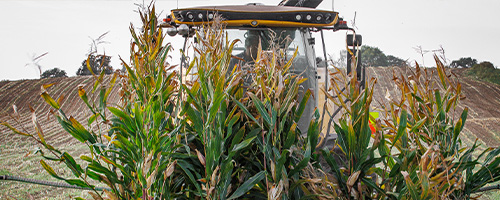
PAC 007 is a reliable, high-performing hybrid suited to systems where consistent yield and strong early growth are important. It is well suited to variable conditions across Manawatū–Whanganui and Wairarapa, delivering dependable silage and grain performance.
- Excellent yield stability across a range of seasonal conditions
- Large, bulky plant with strong early growth for reliable establishment
- Very good stalk and root strength supporting standability
- Well-filled, girthy ears with high test weight grain
PAC 081
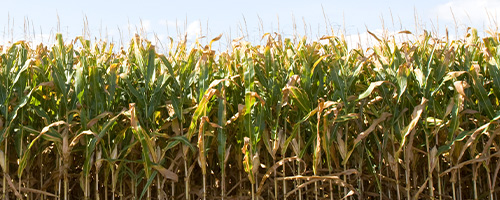
PAC 081 is a very early maturing hybrid that provides flexibility in systems where early harvest or rotation timing is important. It offers a strong balance of silage yield and grain potential, making it a reliable option for dual-purpose use.
- Very early maturing dual-purpose hybrid suited to flexible systems
- Strong silage yield with reliable grain content for its maturity
- Supports early harvest and rotation requirements
- Excellent test weight grain suitable for food-grade markets
PAC 298
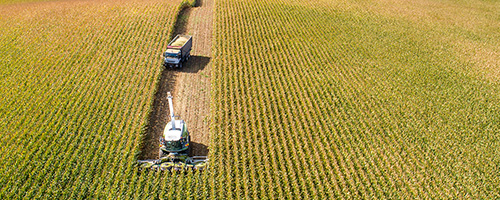
PAC 298 is a robust mid to later maturity hybrid suited to growers targeting higher yield potential while maintaining resilience under variable seasonal conditions. It is a strong dual-purpose option where both silage and grain performance are important.
- Reliable, robust dual-purpose hybrid suited to variable environments
- Strong agronomic package with very good drought tolerance
- Excellent grain yield for its maturity
- Well suited to both silage and grain systems

To learn more about our full range of maize hybrid options use our seed selector tool
Regional Considerations

Manawatu-Whanganui
Maize production across Manawatū-Whanganui is influenced by variable soil types and seasonal conditions, with heavier soils in some areas requiring careful management to ensure reliable establishment. Drainage can be a limiting factor, making paddock selection and early crop development important for achieving consistent performance.
Hybrid selection should focus on reliable maturity, strong early vigour and the ability to perform across variable soil and moisture conditions.

Wairarapa
Maize establishment in the Wairarapa can be impacted by wetter spring conditions and the risk of late frosts, making timing and early crop development critical. Well-drained paddocks and favourable conditions are key to achieving consistent crop performance.
Hybrid selection should prioritise strong early vigour, appropriate maturity (CRM) and reliable establishment under cooler, more variable spring conditions.
Matching CRM and hybrid characteristics to your local climate and end use ensures consistent performance.
Regional Faqs
Contact Us
For advice on silage maize systems in Manawatū–Whanganui & Wairarapa, or to discuss maize for grain options, contact your local Corson Maize Sales Agronomist to match the right hybrid to your farm system and production goals.
Find Your Local Rep