
High Performance Through Summer.
Maize is an essential summer crop across Nelson–Tasman and Marlborough, where typically warm, reliable summers support excellent dry matter production. As a key summer crop in these regions, maize performs consistently, particularly where irrigation supports growth through drier periods.
Maize is primarily grown for silage, providing a dependable, high-quality, high-energy feed source for dairy systems and helping maintain consistent feed supply through the peak of the season.
Beyond its value as a reliable, high quality feed source, maize plays an important role in overall farm system performance. It helps manage pasture deficits during dry periods, improves soil structure and organic matter, and can act as an effective break crop to help reduce weed pressure.
In This Region, Hybrid Selection Is Typically Driven By:
- Achieving consistent yield through warm growing seasons
- Matching maturity to available growing conditions
- Maintaining performance under variable moisture availability
- Supporting irrigation and dryland production systems
Regional Hybrid Choices
PAC 011
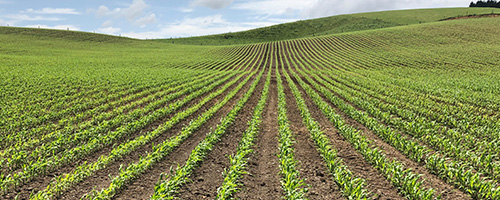
PAC 011 is an early maturing silage hybrid well suited to Upper South Island conditions, where reliable maturity and harvest timing are important. It provides strong dry matter production for its maturity, making it a dependable option for consistent silage supply in shorter or variable growing seasons.
- Early maturing silage hybrid suited to Upper South Island environments
- Tall, leafy plant with long ears supporting dry matter production
- Reliable option where early harvest timing is required
- Very high yield potential for its maturity
PAC 081
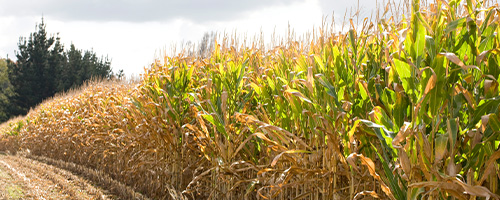
PAC 081 is a very early maturing hybrid that provides flexibility in systems where early harvest or moisture management is important. It offers a strong balance of silage yield and grain potential, making it well suited to both irrigated and more variable environments.
- Very early maturing dual-purpose hybrid suited to flexible systems
- Strong silage yield with reliable grain content for its maturity
- Supports early harvest and moisture management strategies
- Excellent test weight grain suitable for food-grade markets
PAC 007
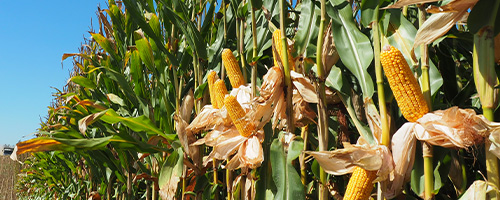
PAC 007 is a consistent, dual-purpose hybrid suited to environments where reliable yield and strong establishment are important. It performs well under a range of conditions, making it a dependable option across irrigated and dryland systems.
- Excellent yield stability across variable seasonal conditions
- Large, bulky plant with strong early growth for reliable establishment
- Very good stalk and root strength supporting standability
- Well-filled, girthy ears with high test weight grain

To learn more about our full range of maize hybrid options use our seed selector tool
Regional Considerations

Nelson-Tasman
Maize production in Nelson–Tasman benefits from warm spring conditions that allow for earlier planting and strong early crop development. Timing is important to maximise the available growing season and ensure crops reach target maturity.
Hybrid selection should focus on strong early vigour, appropriate maturity (CRM) and consistent performance across variable soil conditions.

Marlborough
Maize production in Marlborough is strongly influenced by irrigation and soil moisture availability, with dry conditions and increasing climate variability playing a key role in crop performance. Reliable moisture through establishment and flowering is critical to achieving consistent yields.
Hybrid selection should prioritise drought resilience, appropriate maturity (CRM) and the ability to perform under variable moisture conditions.
Matching CRM and hybrid characteristics to your local climate and end use ensures consistent performance.
Regional Faqs
Contact Us
For advice on silage maize systems in Nelson–Tasman & Marlborough, or to discuss maize for grain options, contact your local Corson Maize Sales Agronomist to match the right hybrid to your farm system and production goals.
Find Your Local Rep